#adWe earn a commission when you buy through our Amazon links, at no extra cost to you. It never decides a ranking — the rubric that does is published in full, so you can check us rather than take our word for it. How this works.
Why comparisons are the weakest content in this category
When we looked at what currently ranks for model-versus-model searches, the pattern was consistent and slightly startling: pages winning competitive terms with 1,200 to 1,400 words and no specification table at all. Prose describing a comparison that the reader then has to hold in their head, when a table would settle it in ten seconds.
Worse is the resolution. One well-ranked comparison we read scored the heart-rate category as a "Tie" while the same author noted elsewhere that one of the two brands had been extremely inaccurate for them personally. A tie is the easy answer. It is also the one that helps nobody who came to the page to make a decision.
What every comparison here contains
- The verdict, first.Above the fold, before the analysis. If the answer is "buy the cheaper one", that is the opening sentence, not the conclusion of 2,000 words.
- A full specification table.Every row from the manufacturers' own published figures, with the battery mode named, because "GPS-only" and "all-systems multi-band" are not the same number.
- The accuracy evidence for each side, with its tier — including when the honest verdict is that one side has a published study and the other has nothing. That asymmetry is usually the most decision-relevant fact on the page.
- Arithmetic from live prices. Dollars per GPS hour. True three-year cost where a subscription is mandatory. Computed at page load from verified prices, and suppressed entirely when we have no verified price rather than estimated.
- What we could not verify. A named section on every comparison. There is always something.
The arithmetic changes answers more often than you would think
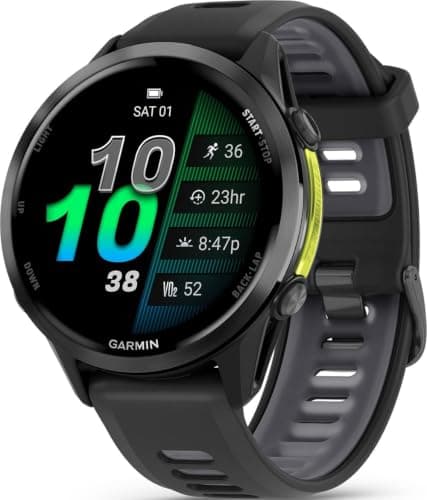
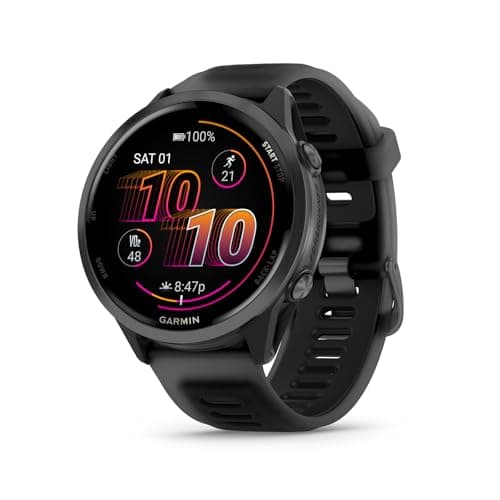
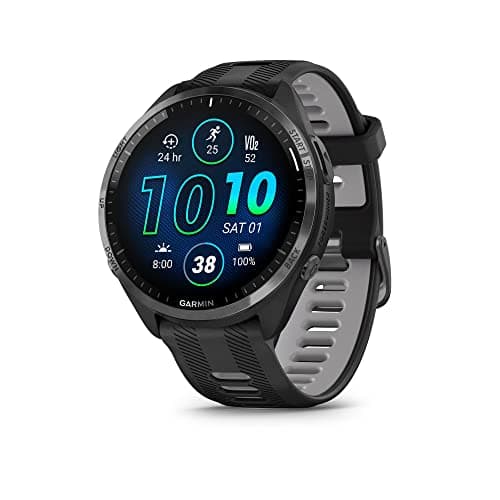
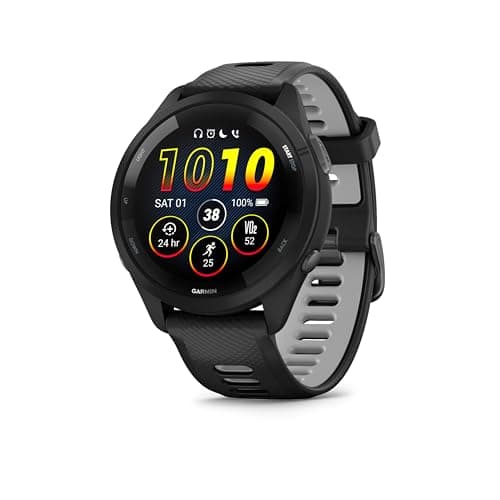
The Forerunner 970 versus 570 is the cleanest example. The 970 costs about $200 more and the intuitive read is that the 570 is the value pick. But the 970 states 26 GPS hours to the 570's 18. Divide price by stated hours and the more expensive watch is the cheaper one per hour of use.
That does not automatically make it the right purchase — if you never run longer than three hours, hours you will not use are worth nothing to you. But it reframes the decision from "is the 970 worth $200 more" to "do I need maps, and do I need the battery", which is a question you can actually answer about yourself. Every number in that calculation is on the comparison page, so you can redo it with your own assumptions.
Brand comparisons are tiered, not summarized
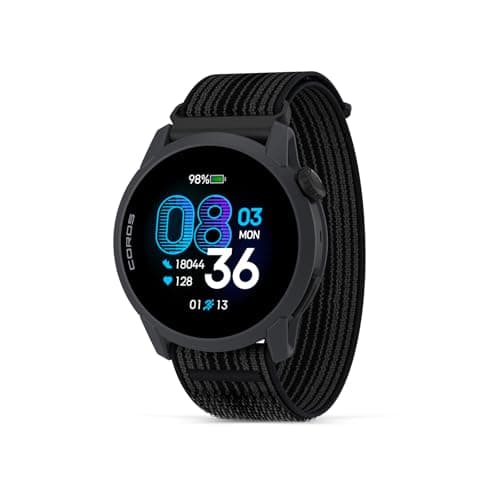
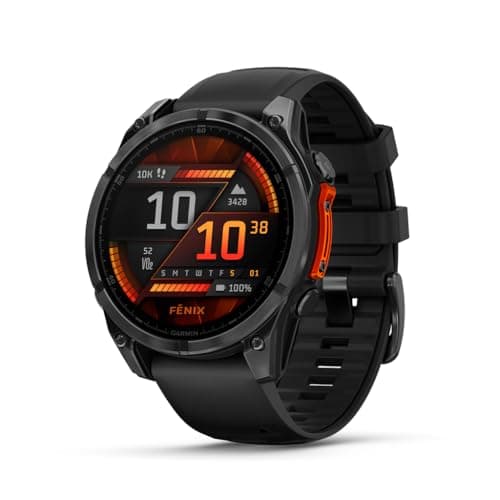
"COROS versus Garmin" has no single answer, because the brands do not line up model for model. A blanket verdict would be useless. We resolve brand comparisons tier by tier — budget, mid-range, flagship — and give a different answer at each, because that is the shape of the actual truth.
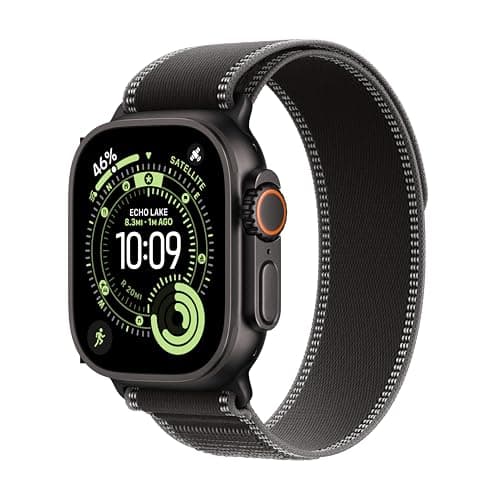
One warning we will keep repeating: the biggest single differentiator in these comparisons is usually not the feature list, it is whether anyone has ever measured the device. On that axis Garmin, Polar and Apple have published records of varying quality, and COROS and Suunto very nearly none. The evidence scoreboard is where that is laid out in full.
How we rank anything on this site
One rubric, published weights, and the evidence tier printed next to every claim — including the devices where the honest answer is that nobody has measured them. Read the method.