Every other site organizes by product. This one organizes by problem.
When we looked at how the competition structures this category, all of them sorted by product type or by price tier. Not one sorted by which measurement is failing you — which is, as far as we can tell, exactly how the person doing the searching actually thinks about it.
Nobody who already owns a running watch wakes up wanting "a running watch". They wake up irritated that their heart rate read 150 during an easy warm-up, or that their GPS track cut the corner off every switchback, or that their sleep score says four hours of deep sleep on a night they felt terrible. That is a symptom, and symptoms have causes at the sensor level.
The uncomfortable pattern
Work through those causes honestly and you keep arriving at the same place: the fix is usually cheaper than the thing you were about to buy, and often it is not a watch at all.
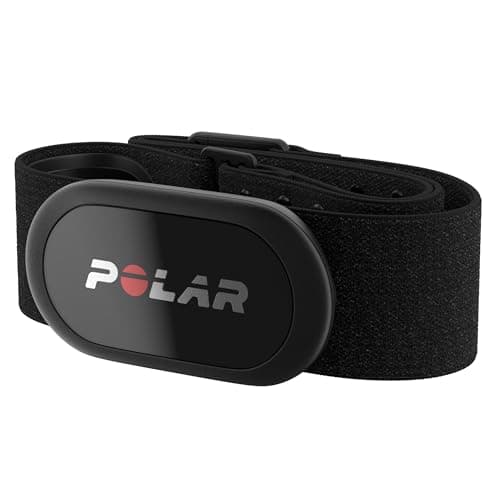
The clearest case is heart rate. If your wrist HR lags on intervals, a more expensive watch will not help, because the limitation is not the brand — it is that an optical sensor is inferring pulse through a moving joint. The 2025 Sensors placement study measured this directly: identical sensors moved up the arm performed better at every intensity, and during explosive work a wrist device showed a bias of roughly 33 bpm. So the upgrade path for heart-rate accuracy ends at a $105 chest strap that works with the watch you already own, not at a $750 replacement.
We are aware this is a strange thing for a site that earns commission to keep saying. It is also true, and a recommendation we do not believe would be worth less than the commission on it.
How to use these pages
Each upgrade path follows the same four steps:
- The symptom, in your words.Not "suboptimal photoplethysmography performance" — "my heart rate reads 150 warming up".
- The sensor-level reason it happens, with the evidence linked, so you can confirm the diagnosis rather than take it on faith.
- What actually fixes it, with the specific device and a live price.
- An honest "this won't fix it if…" — because sometimes the hardware is not the problem, and the most useful thing we can do is tell you not to spend the money.
The three weaknesses worth diagnosing first
Heart rate that lags or spikes is the most common complaint and the cheapest to fix. It is a placement problem, and the evidence on it is the strongest in the whole category.
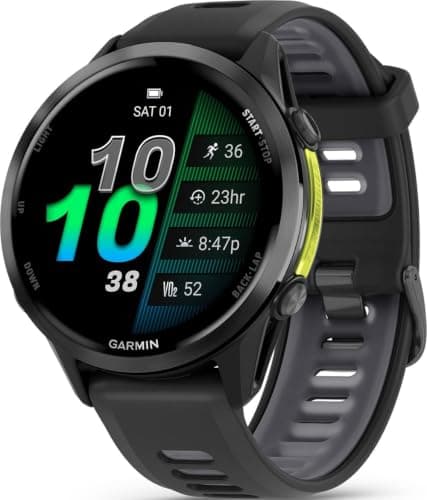
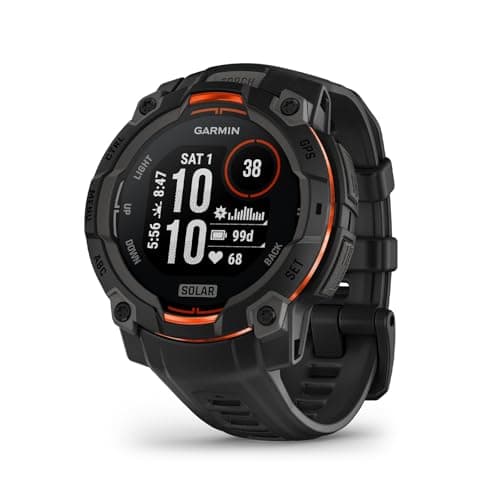
GPS that drifts under tree cover or between buildings is a genuine hardware problem with a genuine hardware answer — multi-band reception. This is one of the few cases where buying a new watch really is the fix, and we say so.
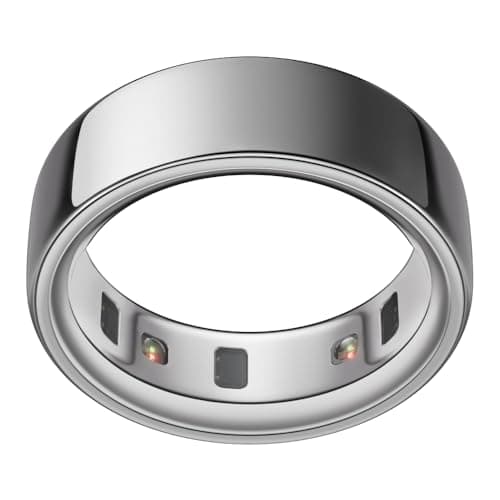
Sleep staging you do not believe is the one where you may be right to disbelieve it. Four-stage agreement in the best published study ran 70.9% to 76.3%, and deep-sleep sensitivity as low as 50.5% on one popular device. If your tracker disagrees with how you feel, the tracker is sometimes simply wrong.
Two more paths — HRV and recovery baselines, and battery life — are in progress and will be published when they are properly sourced rather than as placeholders.