Almost every sleep-stage number you have seen is unverified
Sleep tracking is the part of this category where the gap between what devices report and what anyone has actually checked is widest. Your tracker shows you a four-color hypnogram — awake, light, deep, REM — with confident minute counts. The number of consumer devices for which that graph has been compared against clinical polysomnography in a published, peer-reviewed head-to-head is very small.
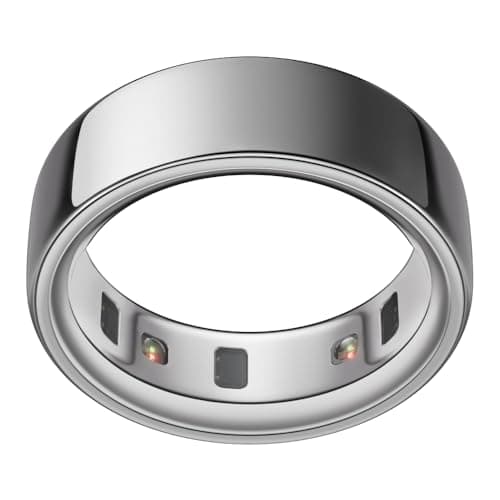
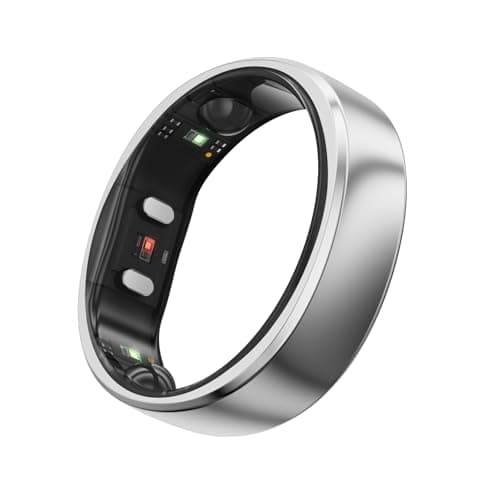
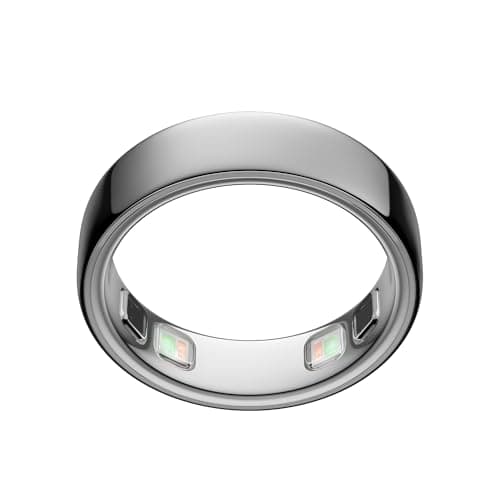
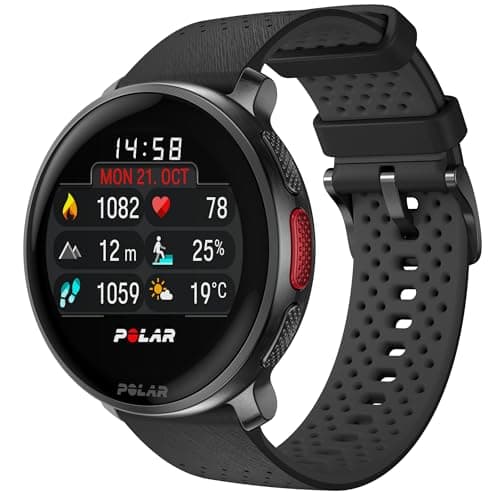
The study worth knowing is Robbins et al., Sensors 24(20):6532 (2024), from Brigham and Women's Hospital. Thirty-five healthy adults spent a night as inpatients wearing an Oura Ring Gen3, a Fitbit Sense 2 and an Apple Watch Series 8, all scored against full polysomnography. It is the closest thing this category has to a referee.
What it found
At the simple job — is this person asleep or awake — everything works. All three devices landed between 91% and 93% agreement. If all you want is a total sleep time, any of them will do and you can stop reading.
At four-stage classification, the differences appear. Oura reached 76.3% agreement (Cohen's κ = 0.65), Apple 75.0% (κ = 0.60), Fitbit 70.9% (κ = 0.55). But the headline agreement figure hides the interesting part, which is deep sleep — the stage people actually care about and the one they change their behavior over:
- Oura deep-sleep sensitivity: 79.5%
- Fitbit: 61.7%
- Apple Watch: 50.5%
The Apple Watch overestimated light sleep by 45 minutes a night and underestimated deep sleep by 43. If you have been worrying about your deep sleep numbers on an Apple Watch, that result is the most useful thing on this page.
What that study does not say
We are going to be as careful about the limits as about the findings, because a study quoted past its evidence is just marketing with a citation attached. The authors are explicit: one night, in a lab, on 35 healthy adults without insomnia. Devices were compared only during scheduled sleep, which the authors note may inflate the agreement figures. Several devices failed to record at all — six Apple Watches, two Fitbits. And it tested those three devices in those generations, so it does not generalize to newer models.
One more thing worth your attention. Oura's own press release described this study as finding 79% four-stage agreement. The paper says 76.3%. We use the paper. That three-point gap is a small, precise illustration of why we read primary sources rather than press releases, and why we tell you which one we read.
Garmin is absent, and that matters
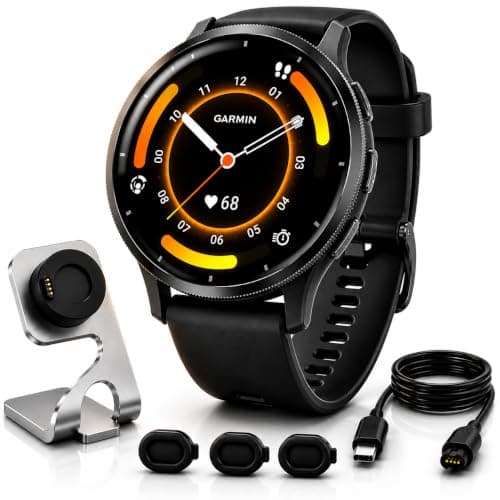
Garmin — one of the largest wearable makers in the world — was not in the comparison at all. There is no published PSG head-to-head of Garmin's sleep staging that we could find. That is not a criticism of Garmin's accuracy; it is simply an absence of evidence, and under our evidence hierarchy an absence of evidence caps how high a device can rank on accuracy grounds. We would rather say that plainly than quietly rank it on vibes.
The subscription arithmetic
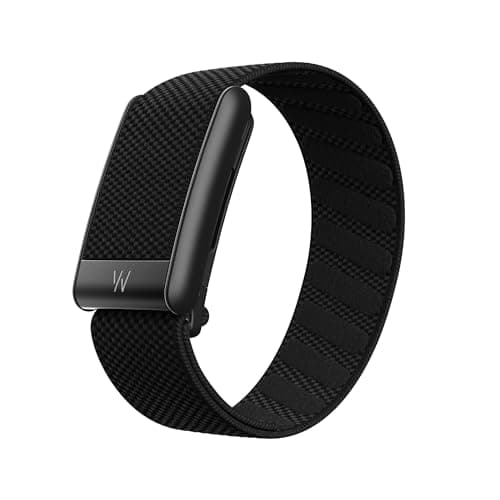
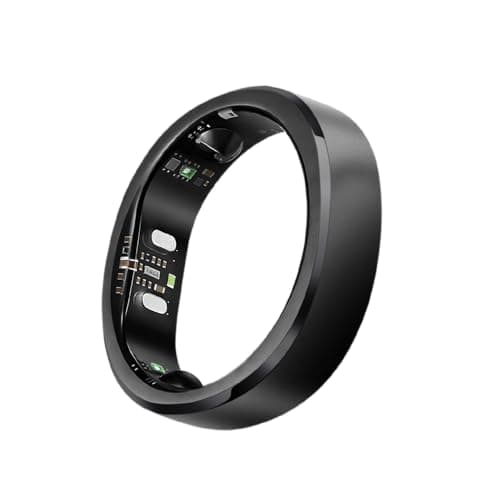
Sleep and recovery is the one category here with a mandatory-subscription problem, and the sticker price is not the price. Oura requires a membership for the full app. WHOOP is soldas a membership — the hardware is included, and it stops working when you stop paying. RingConn charges nothing ongoing at all.
Over three years those differences are larger than the hardware price gaps, and they are the single most underserved question in this category. We compute the real three-year cost from live prices on the WHOOP versus Oura comparison, and we show the working rather than the conclusion.