Why this is the best-value page on the site
If you already own a decent running watch and one number on it annoys you, it is almost certainly heart rate — and the fix costs somewhere between $28 and $105 rather than $750. This is the one part of the category where the evidence is strong, the physics is intuitive, and the correct answer is cheap.
Two different physical principles, not two brands
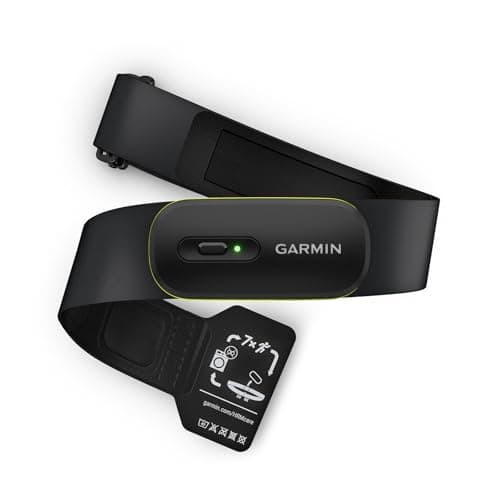
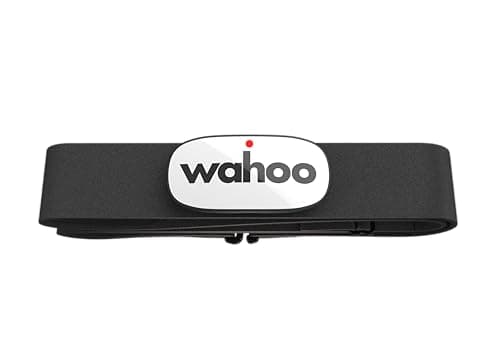
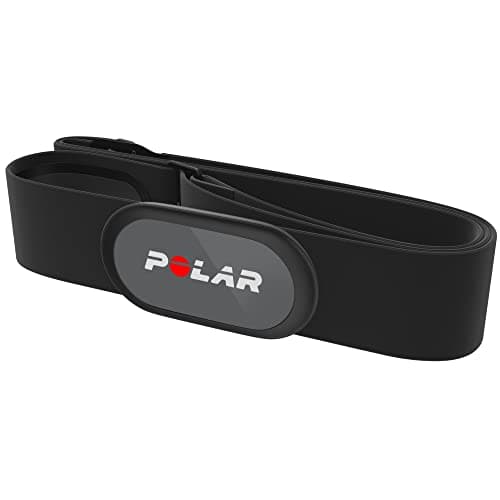
Chest straps measure electrical activity: they pick up the same signal an ECG does, directly from the heart muscle. Wrist and armband sensors are optical: they shine light into the skin and infer pulse from how much bounces back off moving blood. The first is a direct measurement of the thing you want. The second is an inference, made through skin, tissue and motion.
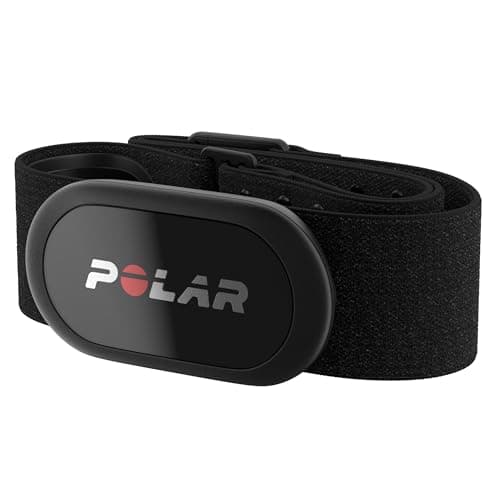
That difference is why an electrical strap is more accurate almost by construction, and why it is the tool researchers reach for. The Polar H10 in particular is used as the reference standard in published studies — including the 2025 Sensorsplacement study we cite throughout this site. Being chosen as the yardstick is about the strongest evidentiary position a sensor can hold. It also means, honestly, that the study cannot measure the H10's own error, because it is the thing everything else is measured against.
Placement beats brand — and this is the finding worth knowing
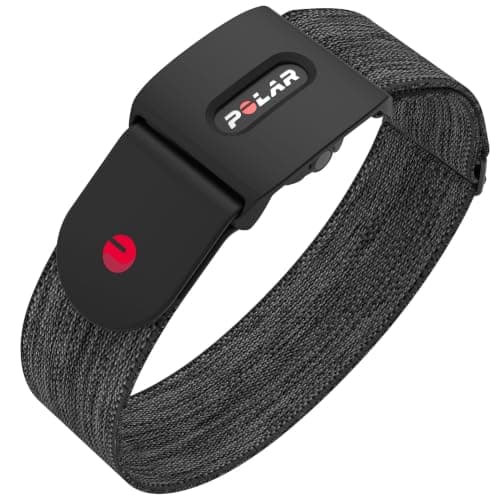
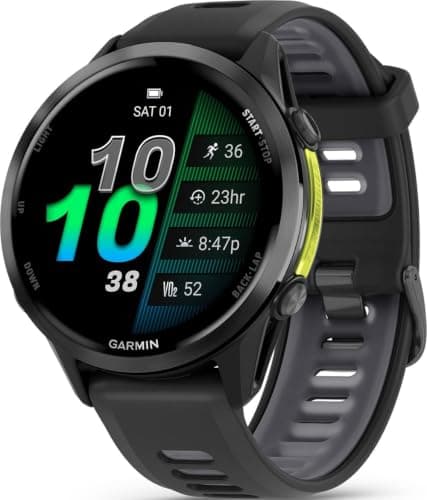
The most useful single result we found is that where you wear an optical sensor matters more than whose optical sensor it is. In the 2025 Sensors anatomical-placement study (n = 28), researchers ran three identical Whoop 4.0 units simultaneously on the wrist, forearm and upper arm, alongside a Polar Verity Sense on the forearm and a Garmin Forerunner 55 on the wrist, all against a Polar H10.
The results, at four intensities:
- At rest, everything is fine. Every device exceeded 0.99 concordance with bias under 1 bpm. If you only ever check your resting heart rate, your current watch is already good enough and you should not buy anything.
- On a graded treadmill test, the Verity Sense armband recorded a bias under 0.1 bpm with concordance of 0.997 — essentially matching the chest strap. Wrist devices sat at 0.85 or below.
- During burpees, everything optical fell apart. Every device dropped below 0.50 concordance, and the wrist-worn Garmin showed a bias of roughly 33 bpm. Thirty-three beats. That is not a small error, and it is the honest reason we tell people doing explosive work to buy a strap rather than a better armband.
The pattern is consistent: proximal placements — upper arm, forearm — beat the wrist, at every intensity. So the upgrade is not "a better watch". It is moving the sensor up your arm, which costs about a hundred dollars and works with the watch you already own.
Compatibility, which is where people actually get stuck
The practical trap is connectivity. ANT+ broadcasts to many devices at once and is what most bike computers and gym equipment speak. Bluetooth typically pairs to one device at a time and is what phones and most watches use. A strap with both — the H10 has both — pairs to your watch and your bike computer simultaneously. A Bluetooth-only strap makes you choose.
Peloton, older Garmin head units, and most gym cardio equipment have their own quirks. Our compatibility table lays out which sensor talks to which platform, so you do not buy a strap that will not pair with the one machine you wanted it for.
The honest caveat about comfort
A chest strap you do not wear measures nothing. If you know — genuinely know — that you will not put one on, then the correct purchase is the best armband you will actually wear, and the Verity Sense has the measured result to justify it. We would rather tell you that than sell you a more accurate device that stays in a drawer. Every ranking on this page is built from the same published rubric, and comfort is not one of the things a spec sheet can settle for you.