What actually separates these watches
Almost every running watch made in the last three years records the same core numbers: pace, distance, heart rate, elevation, and some derived training-load figure on top. If you are upgrading from something that already does that, the honest question is not which watch is best. It is which of those numbers is currently wrong for you, and what hardware fixes it.
There are only three answers worth paying for, and they map onto three different specifications.
1. Positioning — and the word is "multi-band"
If your track wanders between buildings, cuts corners on switchbacks, or reports 5.2 miles for a route you know is 5.0, the specification you want is multi-band (also called dual-frequency) GNSS. A single-band receiver listens on one frequency, so a signal that has bounced off a building arrives looking much like one that came straight down. A dual-frequency receiver hears both L1 and L5, and the disagreement between them is what lets it discard the reflected signal.
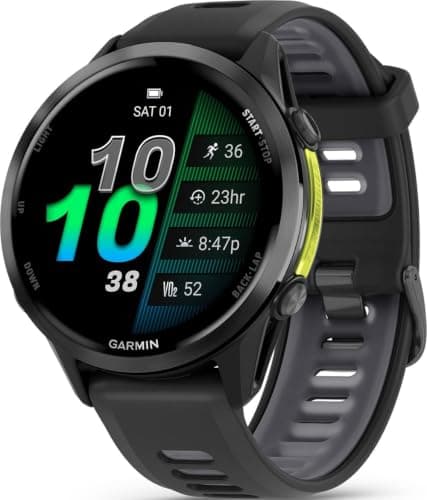
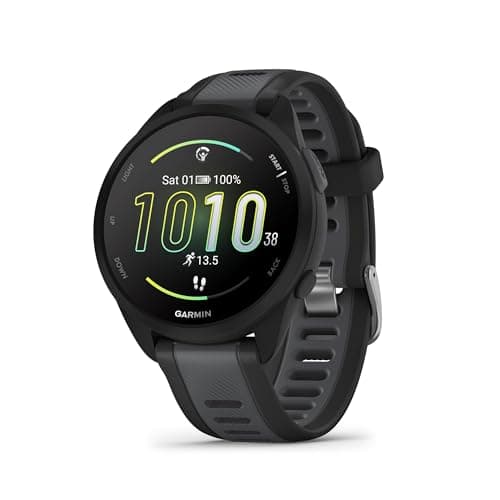
This is the single most consequential hardware difference in the category, and it is also the easiest to check on a spec sheet before you spend anything. It is why the Forerunner 165 — a perfectly good watch — is the wrong upgrade if GPS drift is your complaint: it is single-band, and no firmware update changes that.
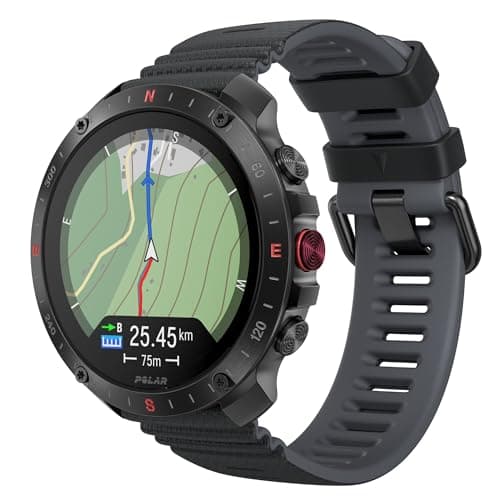
Worth knowing: the best peer-reviewed distance-accuracy work we could find, Gilgen-Ammann and colleagues in JMIR mHealth and uHealth (2020), measured eight watches against a trundle wheel across city, forest and track. Errors ran from 3.2% to 6.1%, and only Polar's receivers stayed under 5% overall. That study is six years old and tested pre-dual-frequency hardware, so it does not describe any watch sold today — we cite it because it is the best evidence that exists, not because it is current. Read our full breakdown of what that study does and does not tell you.
2. Heart rate — where the watch is almost never the answer
If your complaint is that the watch reads 150 bpm during an easy warm-up, or lags thirty seconds behind every interval, upgrading the watch is usually the wrong purchase. The problem is the wrist, not the brand. An optical sensor on the wrist is reading light scattered back from capillaries through a joint that moves constantly, and under rapid intensity changes every wrist device tested in the published literature struggles.
A 2025 study in Sensorsput three identical Whoop units on the same person's wrist, forearm and upper arm at once. The upper-arm and forearm placements beat the wrist at every intensity tested. That is not a brand result — it is an anatomy result, and it means a $40 strap will out-measure a $750 watch on the one number you are complaining about. We go through this in the upgrade path for heart-rate accuracy.
3. Endurance — and the arithmetic nobody publishes
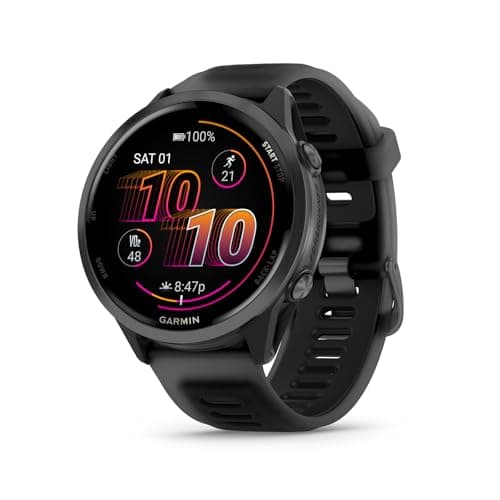
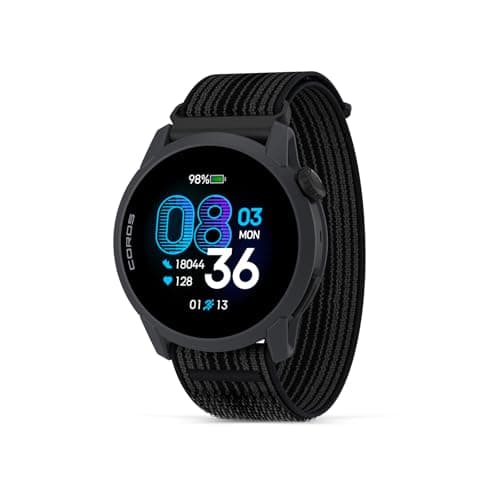
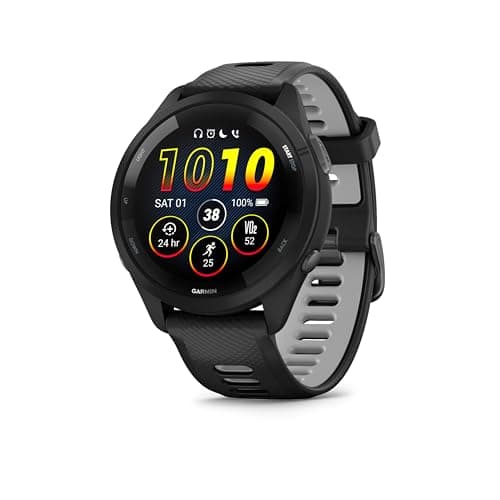
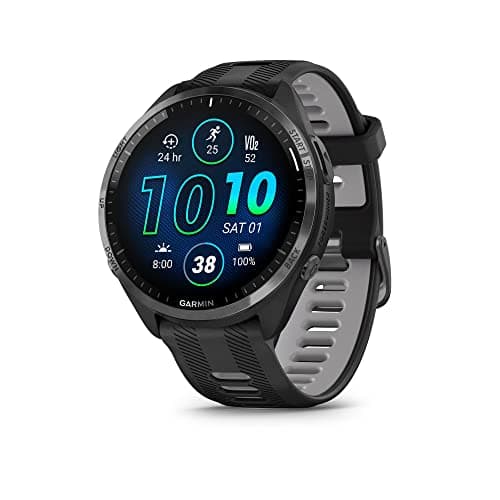
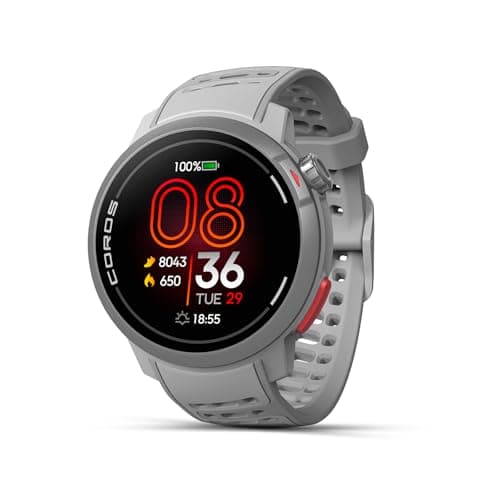
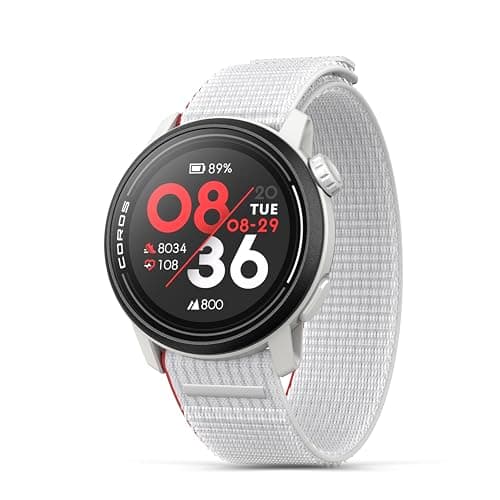
Battery is the one specification where the differences are enormous and completely transparent. The manufacturers publish the figures; almost nobody divides them into the price. When you do, the ranking rearranges itself: the COROS PACE 4 states 41 GPS hours, which is more than the Forerunner 970 and the 570 state combined, at a fraction of the money.
Be careful which figure you compare, though. "GPS-only" and "all-systems multi-band" endurance can differ by a factor of two on the same watch, and a spec sheet that quotes the flattering mode without saying which one is misleading you without technically lying. We label the mode on every battery figure on this site.
What we are not going to tell you
We have not worn any of these watches. There is no test lab here, no drawer of review units, and no 200-mile field test. What we do instead is read the validation research, compile the manufacturers' own published specifications, and do arithmetic in public that you can repeat.
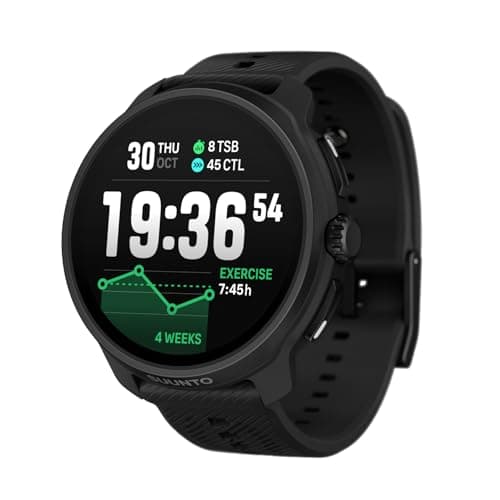
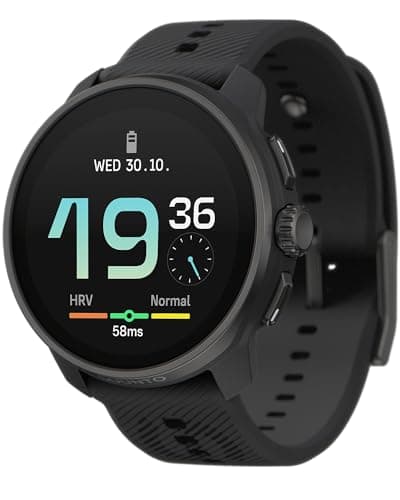
That has a real consequence for how the rankings come out, and it is worth being upfront about it: a device with no independent validation cannot take a top accuracy rank here on hardware alone. The Suunto Race 2 has excellent specifications and no published measurement of any kind, so it ranks below watches with weaker hardware and stronger evidence. If you think that is the wrong call, the rubric is published in full, weights included, and you can see exactly which number moved.